Mahabaleshwar’s “points” are the edges of a high plateau, and each looks into a different valley: the Savitri and the Konkan to the west, the Koyna to the south, the Krishna to the east. Add the temples of Old Mahabaleshwar, a lake, a waterfall, Shivaji’s fort and a second hill station, and there is easily enough for three days. Each place below has its own guide with what to do, how to get there and which tours include it.
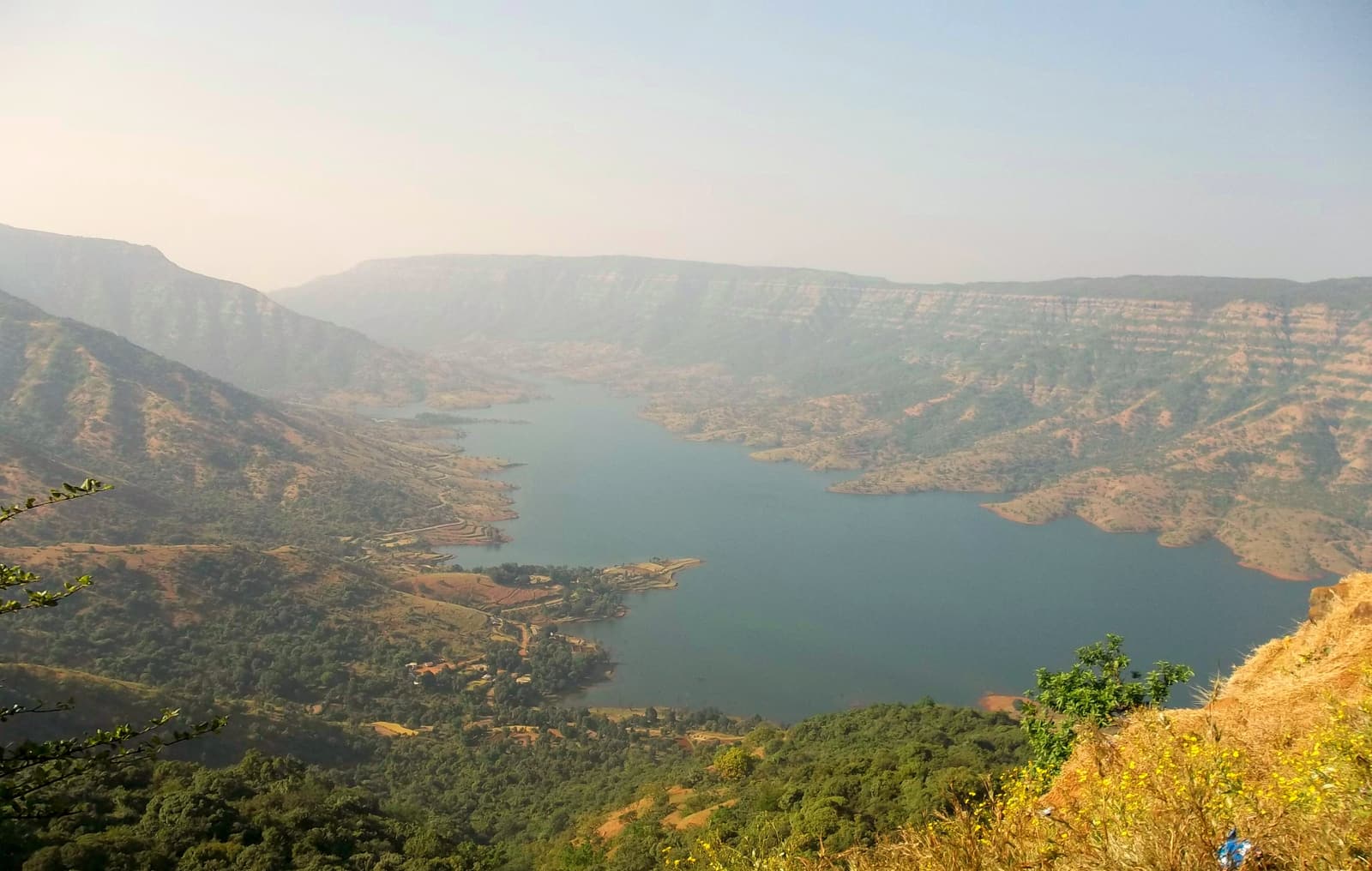
Things to See in Mahabaleshwar
Eleven places that turn a quick hill-station break into a proper journey through the Sahyadri.
The viewpoints
 The viewpoints
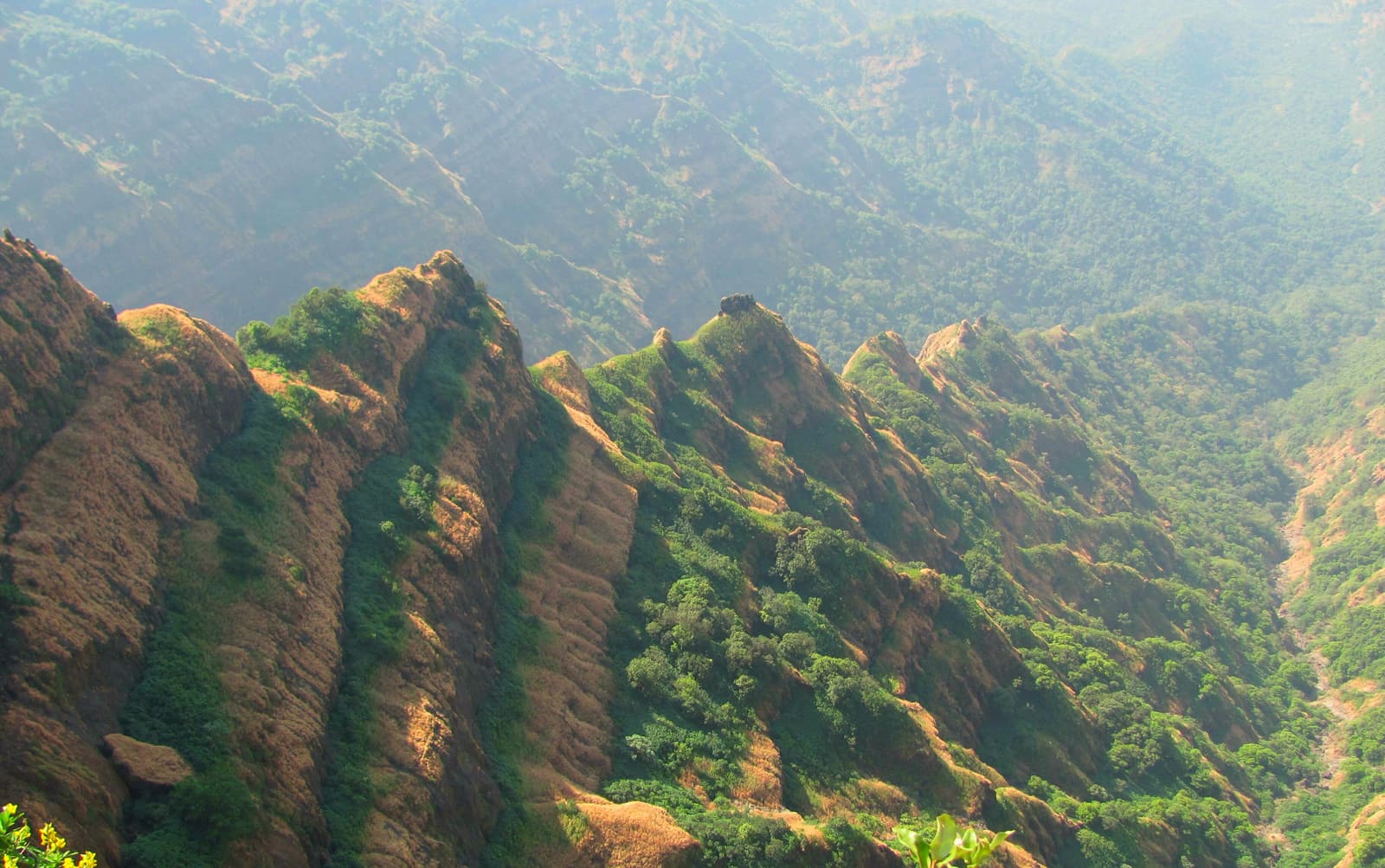
Arthur’s Seat
The “queen of points”
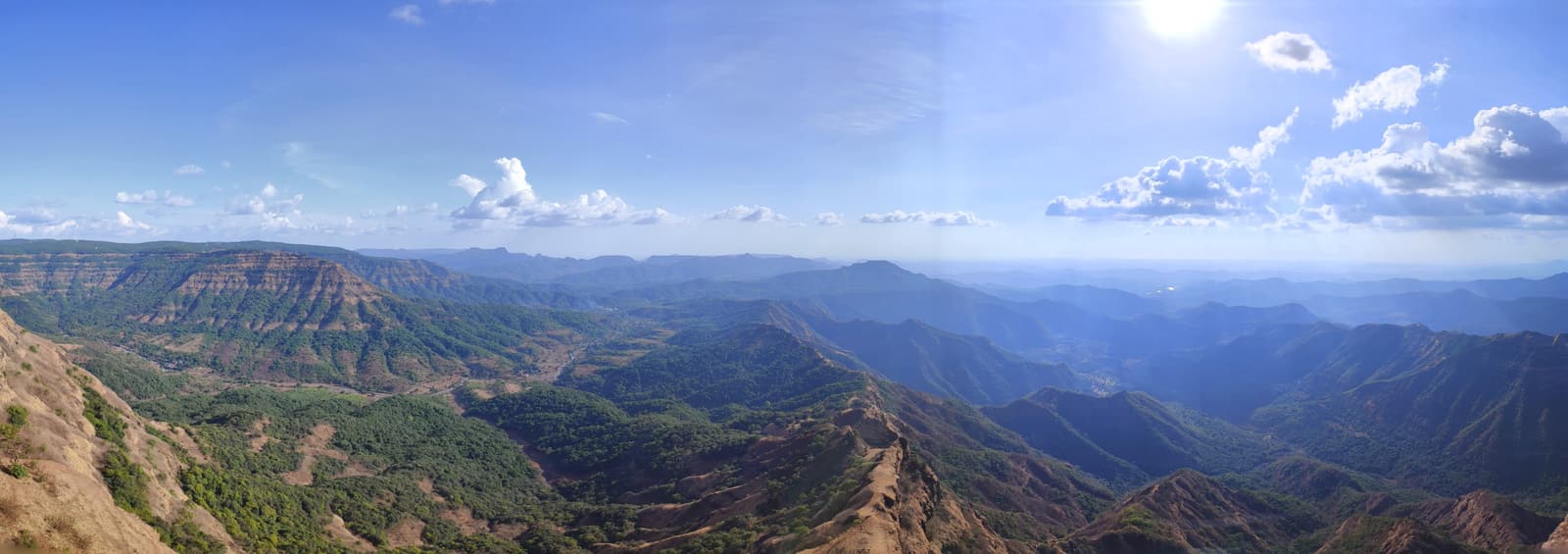
The most dramatic viewpoint in Mahabaleshwar: a narrow ridge where the plateau drops away into the Savitri valley and the Konkan beyond. On a clear morning you can trace the river towards the coast; in the monsoon, clouds boil up from below your feet.
 The viewpoints
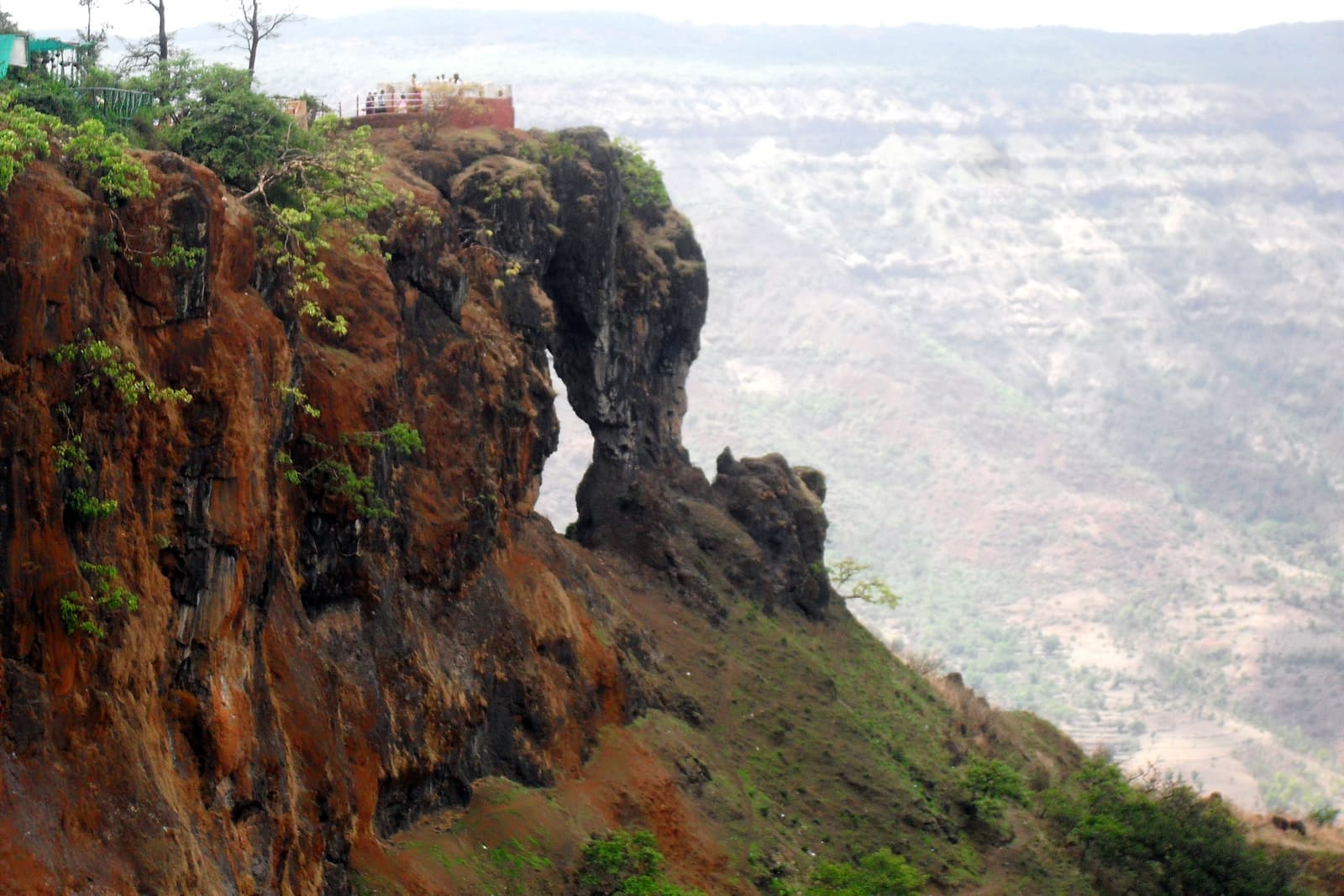
Kate’s Point & Needle Hole
Two reservoirs, one rock arch
A pair of neighbouring viewpoints on the eastern edge of the plateau. Kate’s Point looks down on the Krishna valley and the reservoirs of Dhom and Balkawadi; a few steps away, Needle Hole (Elephant’s Head) Point is a basalt fin pierced by a natural window.
 The viewpoints
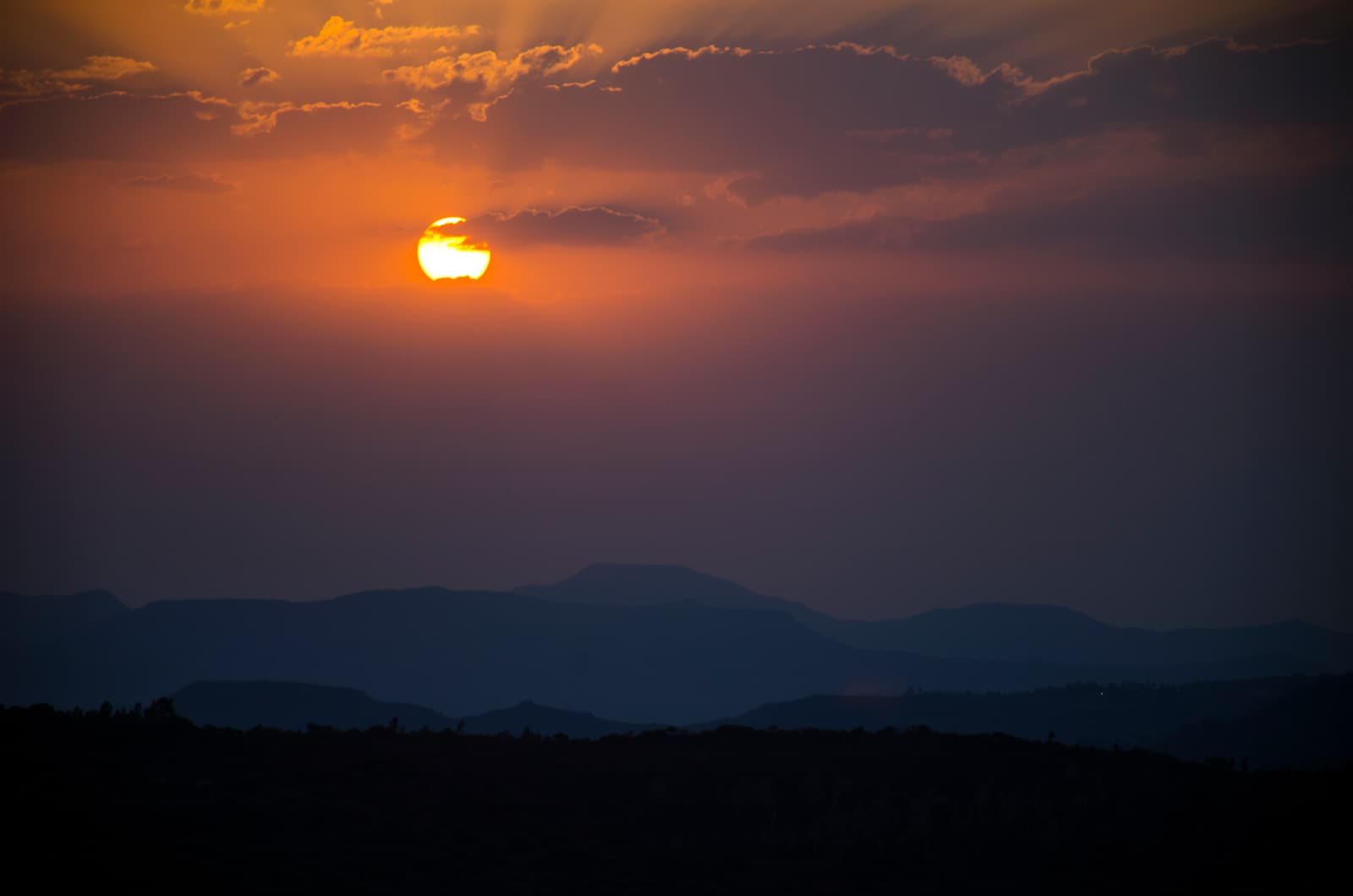
Wilson Point
Sunrise from the top of the plateau
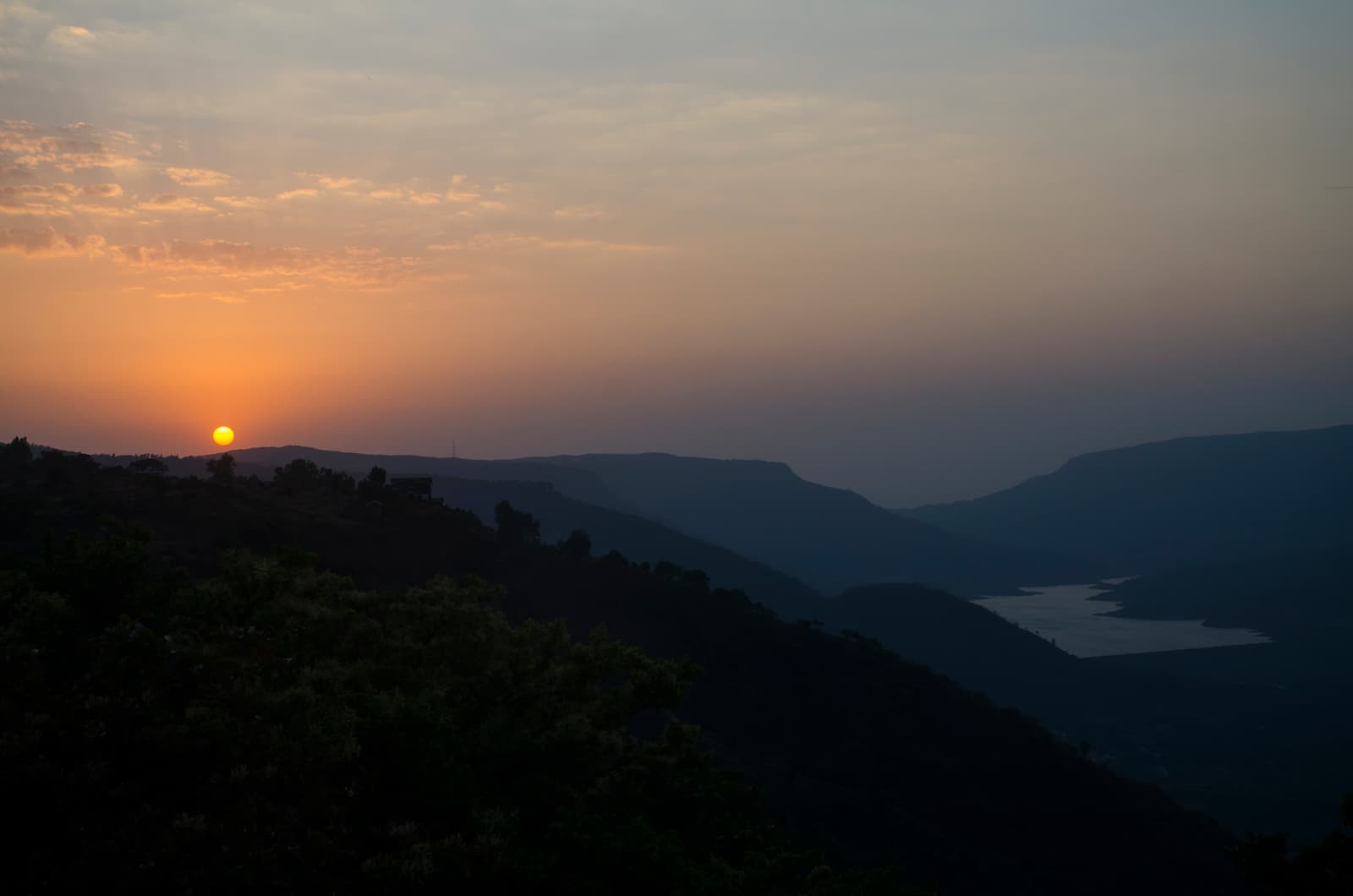
The highest point in Mahabaleshwar and the classic place to watch the sun come up. Stone bastions on the summit make natural viewing platforms, and it is only a short hop from the main market — the easiest early-morning outing in town.
 The viewpoints
Elphinstone Point
Where two valleys meet
Named after Mountstuart Elphinstone, Governor of Bombay, this point on the Arthur’s Seat road looks over the deep, forested gorges where the Savitri and Koyna valleys fall away from the plateau. It is one of the finest sunset spots in the hills.
Lake, temples & town
 Lake, temples & town
Venna Lake
Boats, ponies and roasted corn
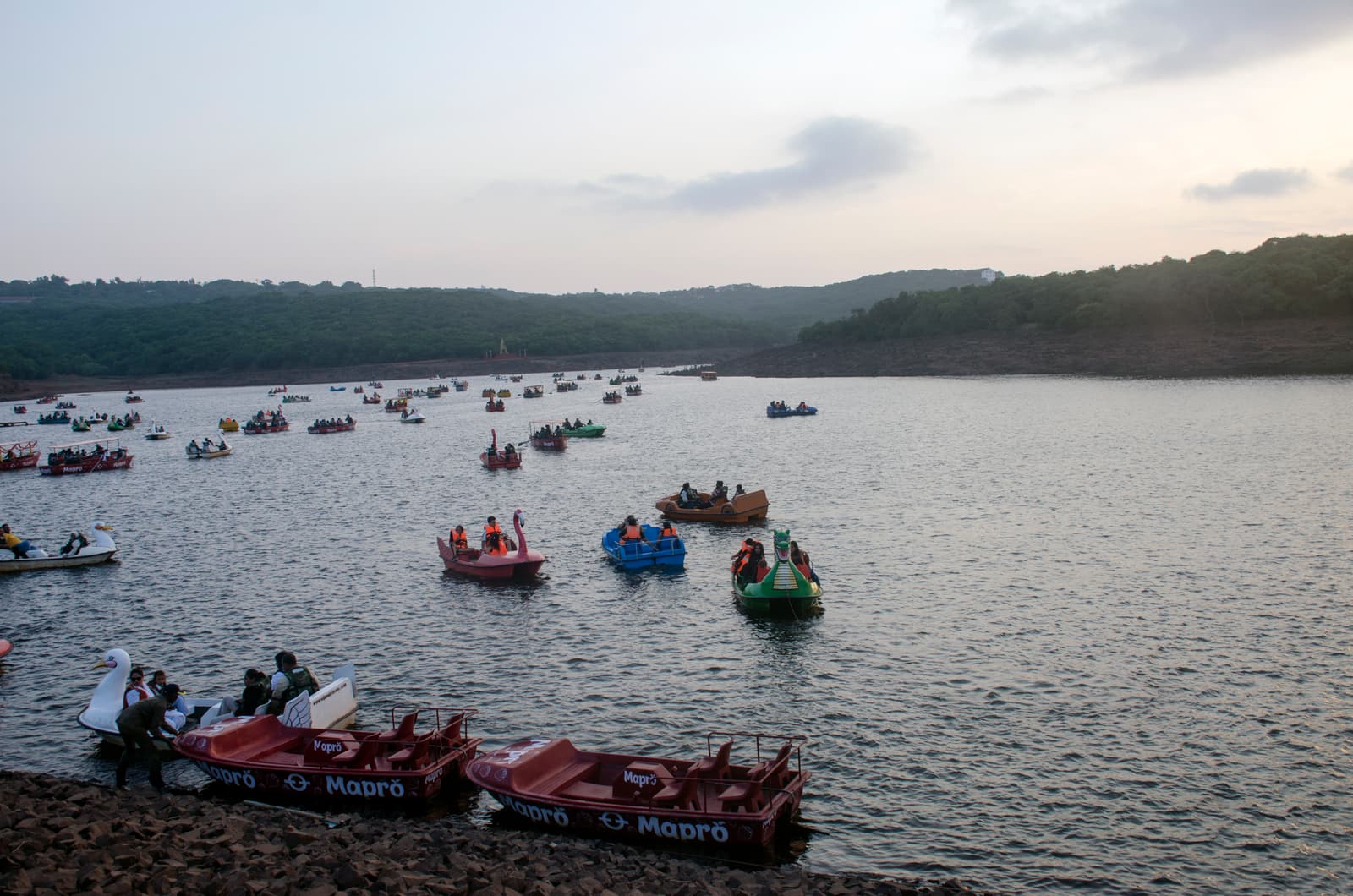
Mahabaleshwar’s social centre: a tree-fringed lake created in the 1840s, a few minutes from the bazaar. Hire a pedal or row boat, ride a pony along the bank, and eat hot corn and strawberries from the stalls as the evening mist rolls in.
 Lake, temples & town
Old Mahabaleshwar & the Krishna source
Where five rivers are born
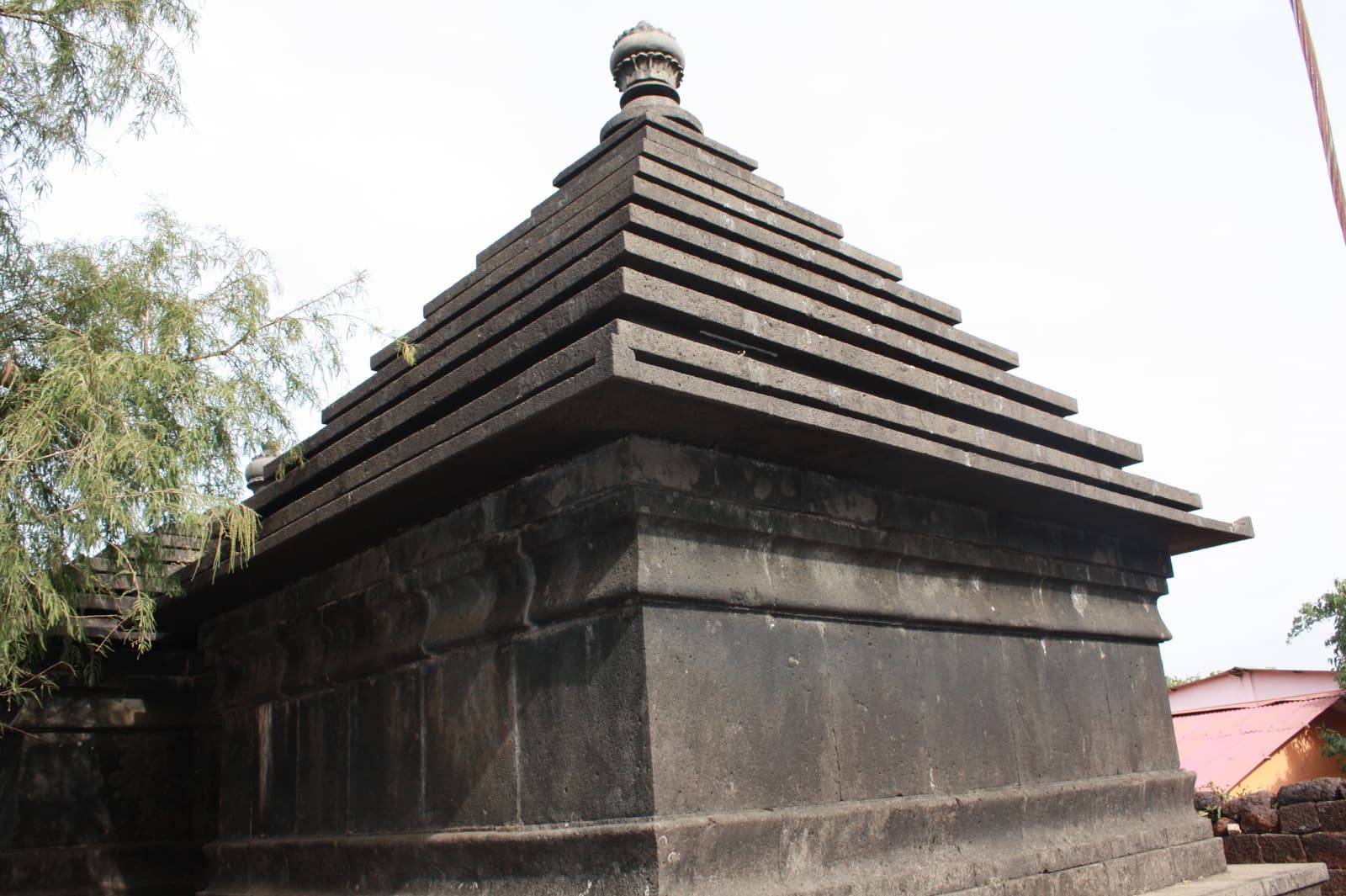
Long before the British hill station there was Kshetra Mahabaleshwar, a pilgrimage village of black-stone temples. The Mahabaleshwar temple enshrines a self-manifested Shiva lingam, and at the Panchganga temple five rivers — the Krishna among them — are said to rise together from a carved cow’s mouth.
 Lake, temples & town
Mapro Garden & the strawberry farms
India’s strawberry capital
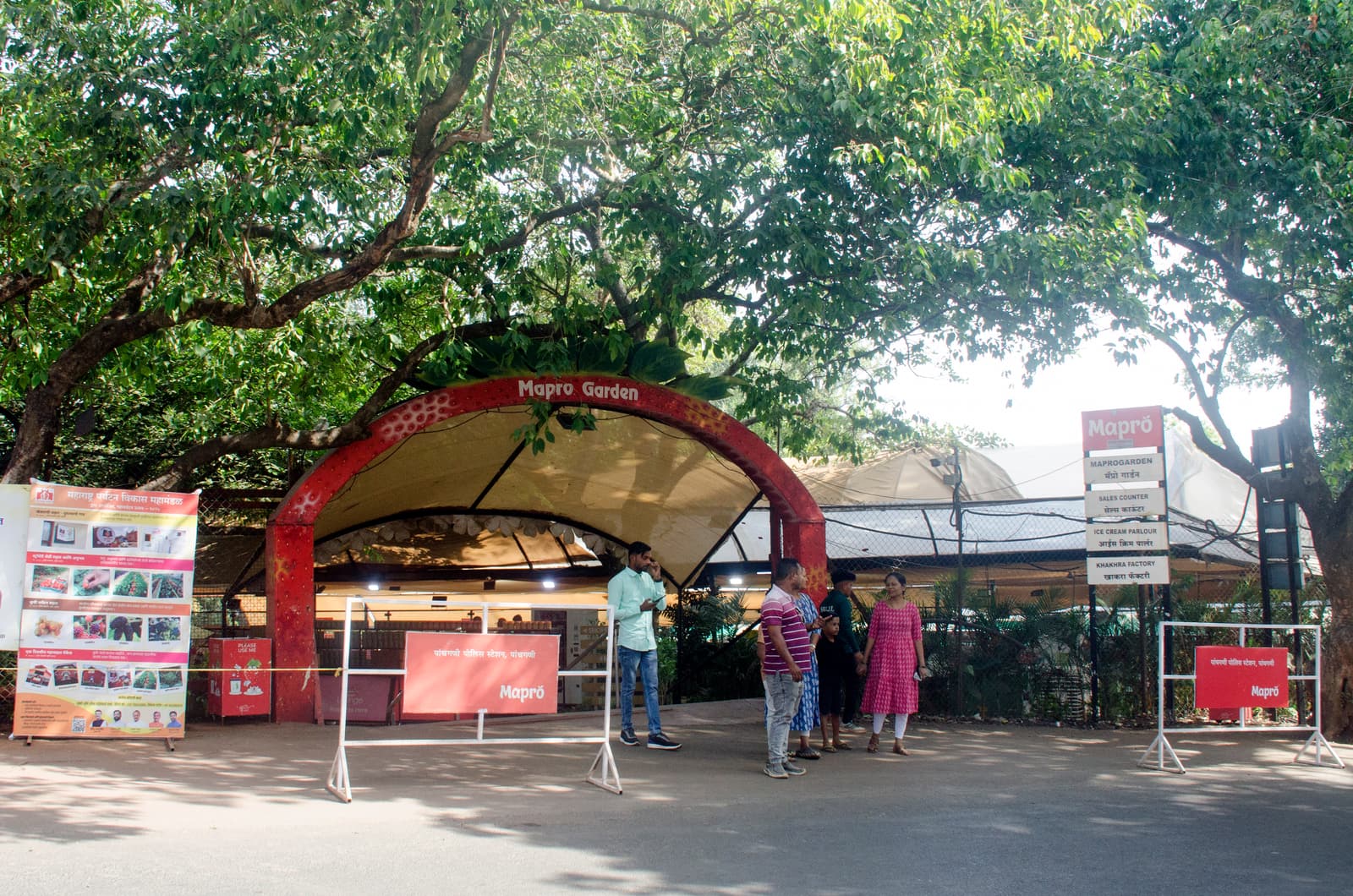
Mahabaleshwar grows most of India’s strawberries, and Mapro Garden, on the road to Panchgani, is where the whole region comes to taste them — strawberries and cream, shakes, jams and crushes, plus a busy garden café. Nearby farms let you pick your own in season.
 Lake, temples & town
Lingmala Falls
The monsoon waterfall
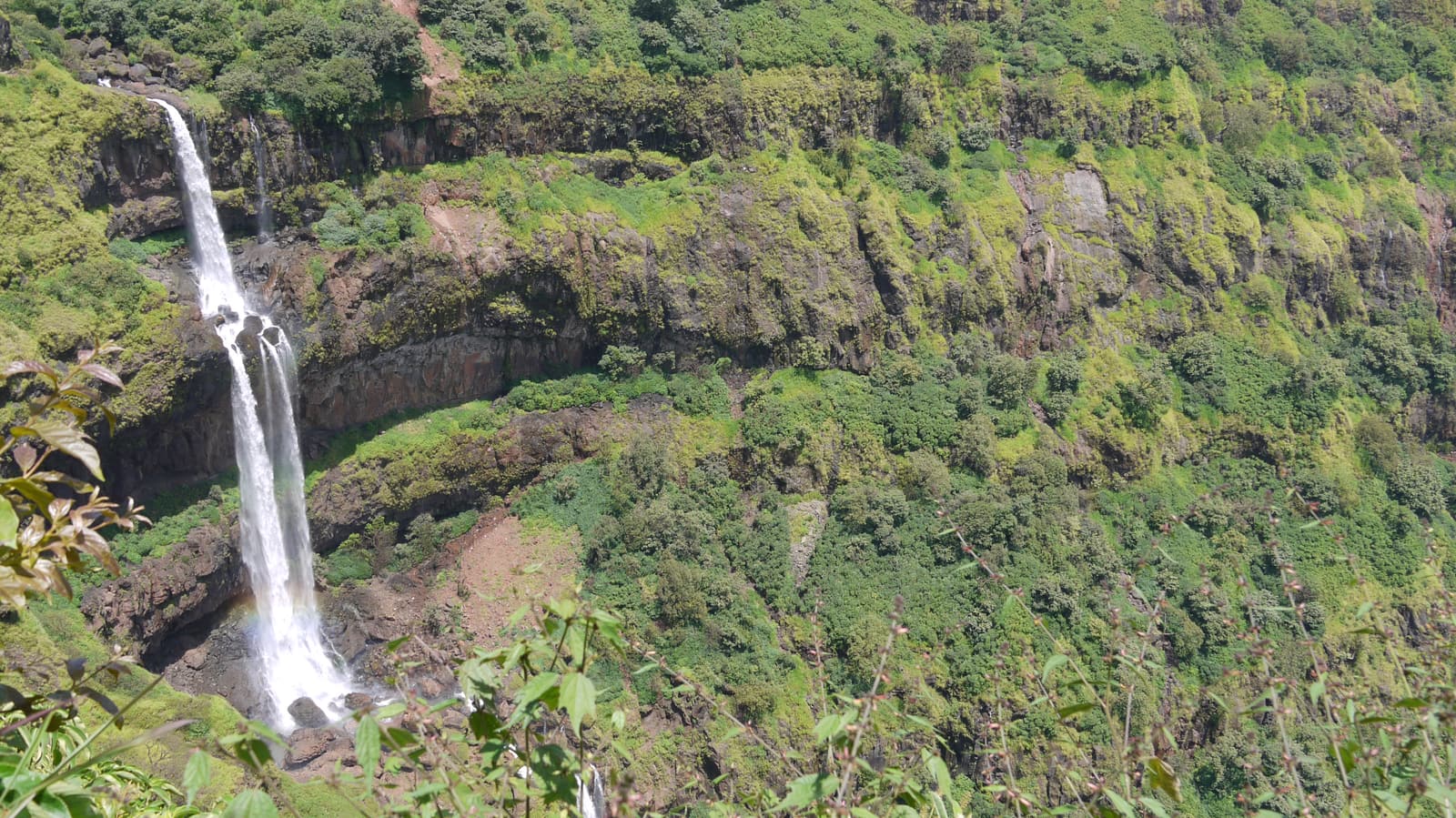
A tall ribbon of water that pours off the plateau into the Venna valley a few kilometres from town. During and just after the monsoon it is spectacular; by late spring it shrinks to a trickle. A forest path leads to viewpoints and a pool above the main drop.
Forts, Panchgani & Kaas
 Forts, Panchgani & Kaas
Pratapgad Fort
Shivaji’s mountain stronghold
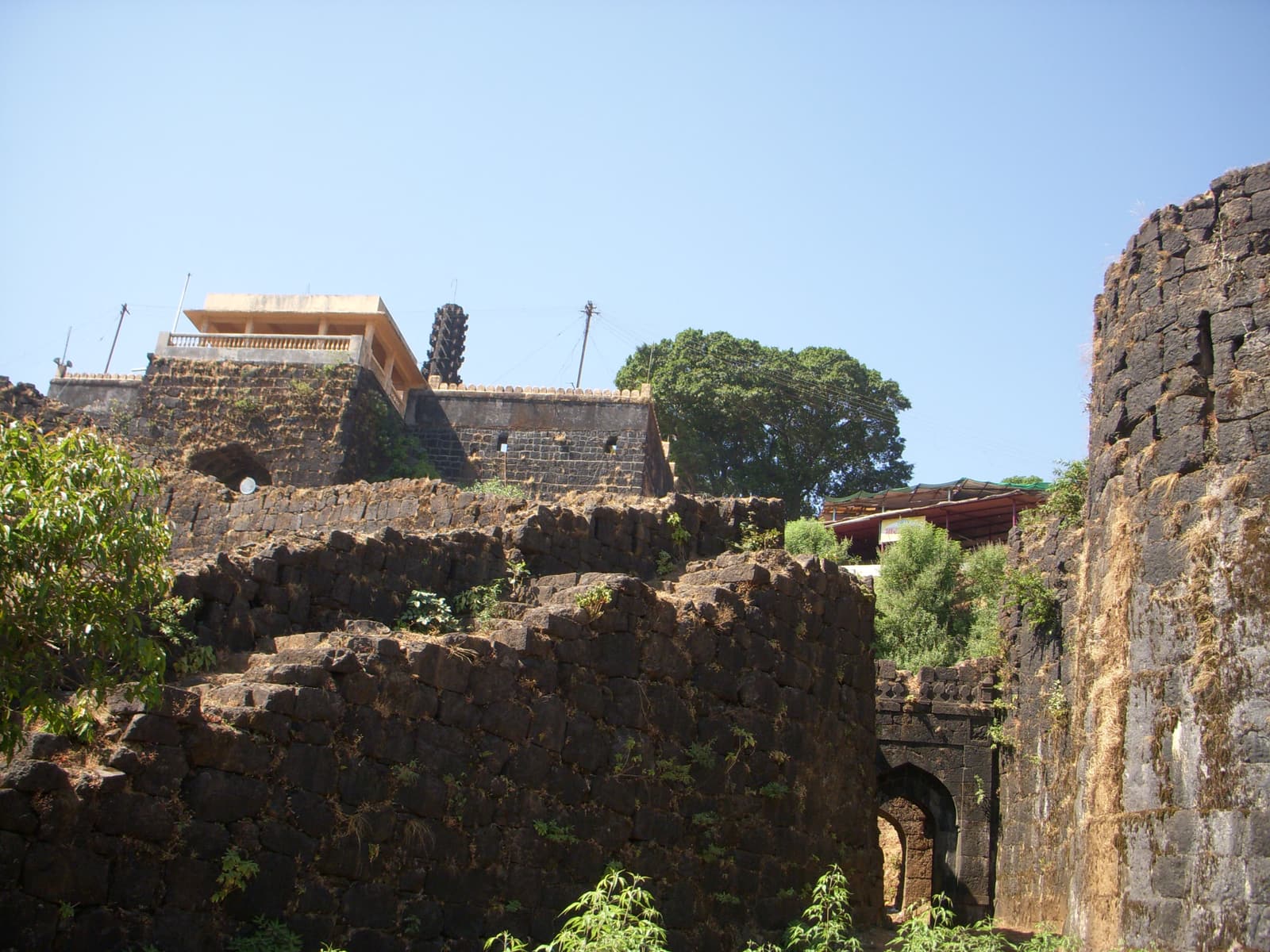
Built in 1656 for Chhatrapati Shivaji Maharaj, Pratapgad guards a pass above the Konkan and was the scene of the famous 1659 encounter with Afzal Khan. Climb through the gates to the Bhavani temple, the ramparts and the bronze equestrian statue of Shivaji.
 Forts, Panchgani & Kaas
Panchgani & Table Land
The sister hill station
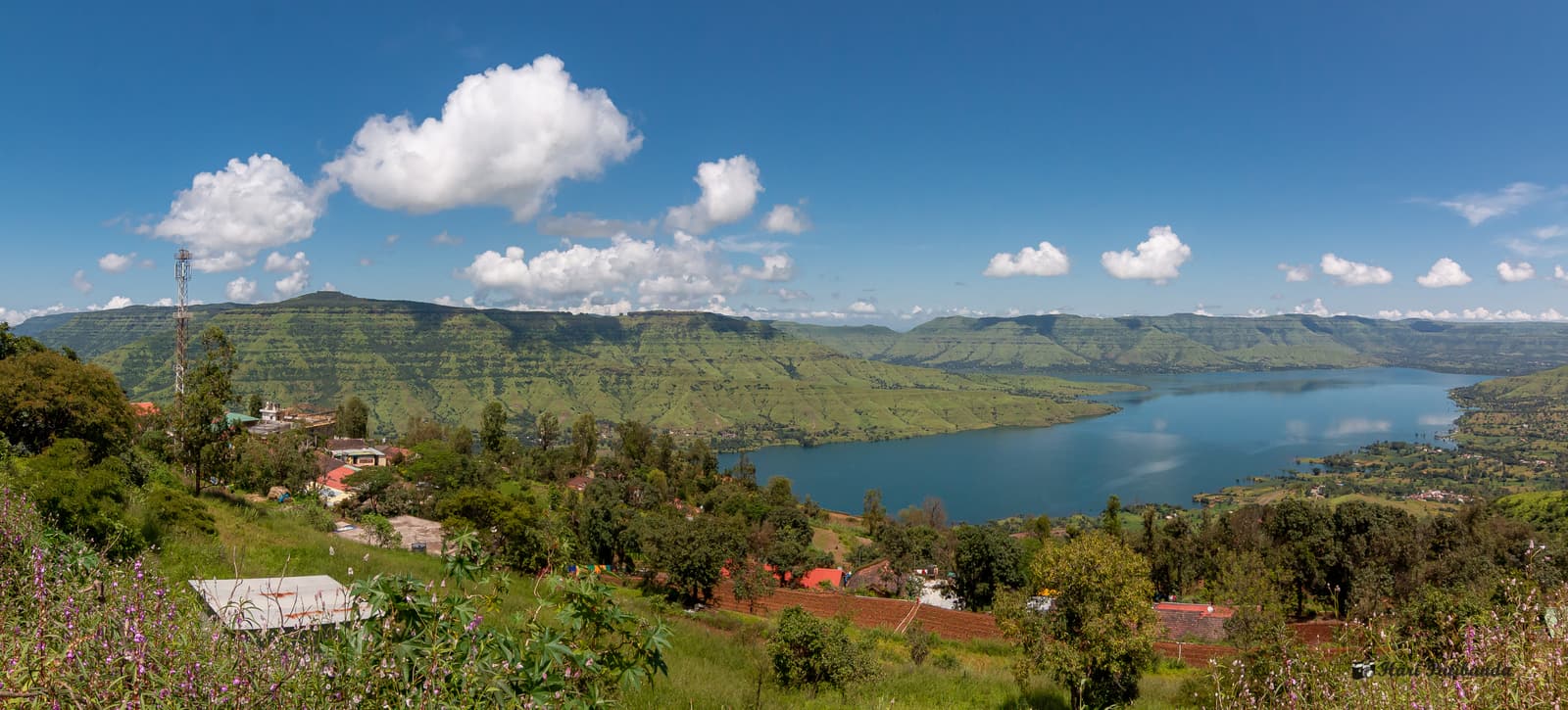
About 20 km east, Panchgani is quieter and more old-fashioned: boarding schools, Parsi bungalows and big views over the Krishna valley and Dhom Dam. Its famous Table Land is a vast, flat laterite plateau with pony rides, caves and sunset crowds.
 Forts, Panchgani & Kaas
Kaas Plateau
Maharashtra’s valley of flowers
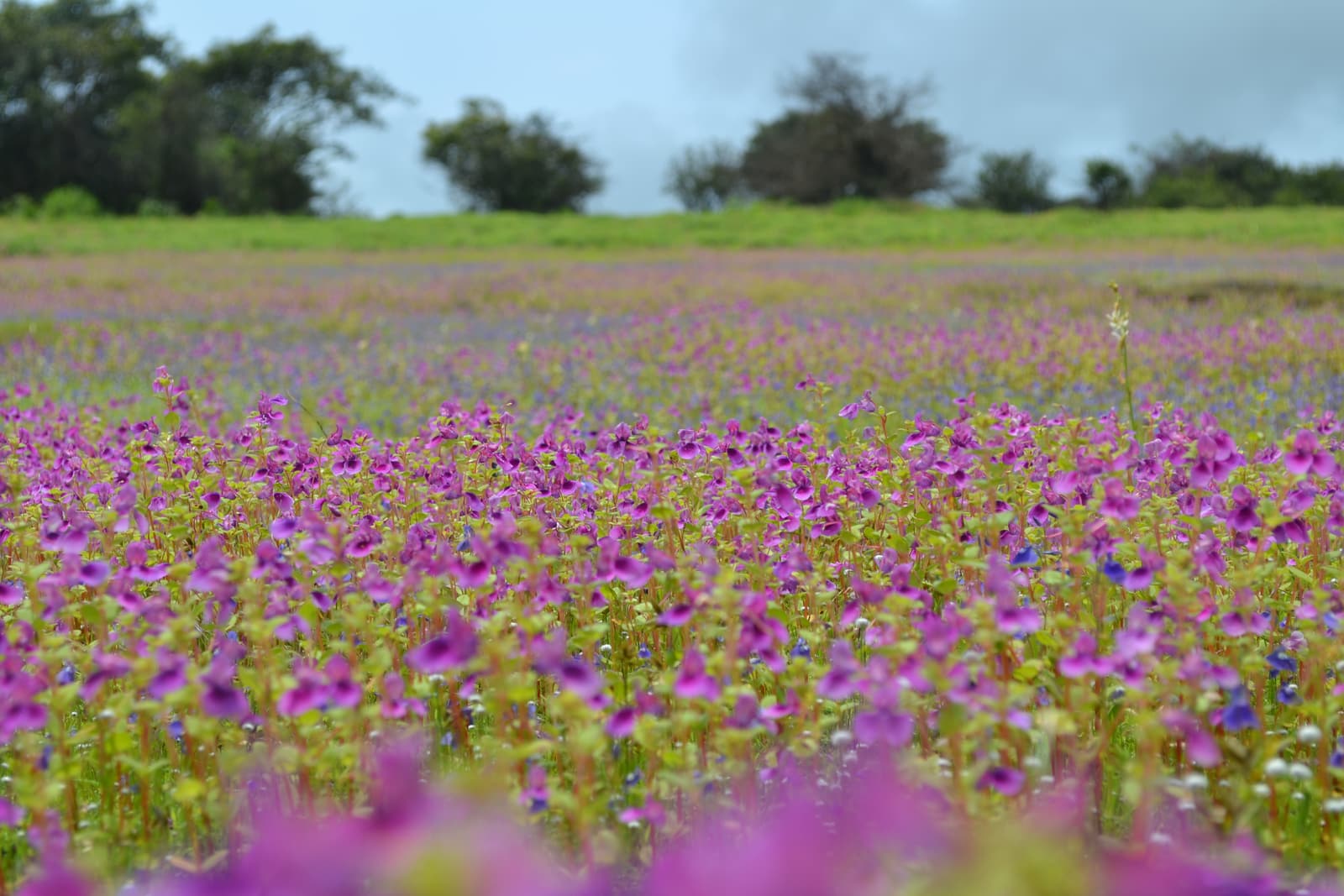
A high basalt plateau west of Satara that, for a few weeks after the monsoon, turns pink, purple, yellow and white with wildflowers. Part of the Western Ghats UNESCO World Heritage Site, it has a daily visitor limit — book ahead in the season (roughly late August to October).
A sensible three-day plan: Day one, arrive from Pune via Wai and Panchgani, stopping at Table Land and Mapro Garden; evening at Venna Lake. Day two, sunrise at Wilson Point, then Old Mahabaleshwar, Arthur’s Seat and Elphinstone Point, with Kate’s Point and Needle Hole in the afternoon. Day three, Pratapgad Fort in the morning, Lingmala Falls on the way back, and the bazaar for strawberries and chikki before you leave.
In the flowering season (roughly late August to early October), swap day three for an early start to the Kaas Plateau — and book your entry online first.
Plan your hill-station escape
See Mahabaleshwar the easy way
Viewpoints, strawberry farms, Pratapgad Fort and Panchgani’s Table Land in one day — with a driver-guide who knows the ghat roads. Compare tours from Pune and Mumbai and book in a couple of taps.